
Tick and Flick Won’t Cut It: Designing Practical Observations That Hold Up
There is a simple rule at the heart of practical assessment: if you’re assessing a skill, you have to see the student do it.
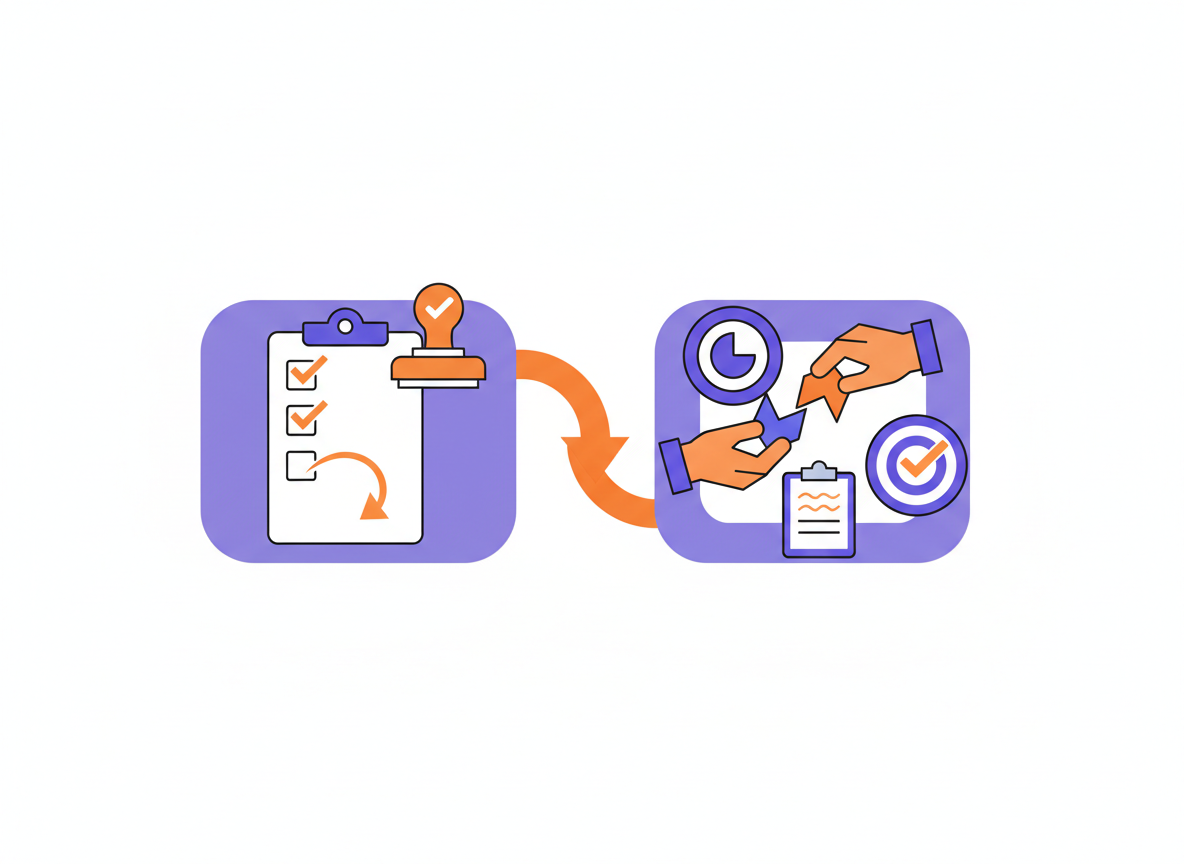
Knowledge assessment and skill assessment are not interchangeable. If we are assessing knowledge, the student must tell us something. If we are assessing a skill, we have to watch them perform it — or examine the product they have created, whether that is the dish they cooked, the report they wrote, or the thing they built. A student explaining how they would do something is not evidence that they can do it. Questioning can give you evidence of knowledge, but questioning on its own can almost never give you evidence of skill that meets the Rules of Evidence.
Many assessment tools make the mistake of gathering evidence of skills or behaviours using knowledge assessment tasks.
Consider these factors when designing and delivering your practical assessment tasks:
Timing Matters
When should a student be allowed to attempt a practical task?
Outcome Standard 1.1 of the 2025 Standards requires that training be sufficiently structured and paced, with time for instruction, practice, feedback and assessment.
A few conditions need to be met before a student attempts a summative observation task:
All necessary instruction and training has actually been delivered and the trainer/assessor has confirmed the student is ready for assessment
The student has already demonstrated any underpinning knowledge through the relevant knowledge assessment task
The student has had a genuine opportunity to practise the skill, be observed practising it, and receive feedback
Student vs. Assessor Instruments
We would never hand a student the answers to a knowledge test. Yet RTOs routinely hand students the observation checklist containing the exact benchmarks and decision-making rules the assessor will use. Your assessment instrument needs a student-facing version and an assessor-facing version, and they should not be the same document.
The student version should tell them what they are required to do. The assessor version carries the specific criteria against which that performance will be judged.
Observation Criteria Quality
If there is one thing to take away from this session, it is this. The most common problem we see when reviewing clients’ observation assessments — and something ASQA has called out specifically — is RTOs copying and pasting the performance criteria and performance evidence straight out of the unit of competency, or tweaking them very slightly, and using that as their observation checklist.
That is not acceptable practice, and the reason is straightforward: performance criteria describe outcomes, not observable behaviours. They do not tell the assessor what to actually look for.
Your checklist criteria need to be contextualised to your specific workplace, scenario, cohort and assessment conditions, and rewritten in plain English. Unit wording is technical. A TAE-qualified assessor may follow it, but a workplace supervisor completing a third-party report almost certainly will not — and neither will an auditor who is not a subject matter expert in your qualification. Plain, specific criteria help everyone.
This goes for off-the-shelf assessment tools, too. Don’t assume the author has written the exact criteria you need. Review and tweak before use, as required.
These are a few good practices to follow:
Avoid multi-part criteria. One skill or behaviour per criterion. When a student meets half of a combined criterion, you cannot give clean feedback or record a clean result in your LMS.
Quantify. If the student must ask at least two questions, or demonstrate three behaviours from a list of five, say so. Never “some of” or an unqualified “the following behaviours”.
Assess each occasion separately. If the performance evidence requires three performances, that is three checklists — or three dated columns within one — not a single tick box reading “demonstrated on three occasions”.
A rule of thumb that can guide you is to consider post-use validation: if another assessor picked up this completed checklist and the associated evidence, could they confirm or overturn the original assessor’s decision? If not, the criteria are not doing their job.
Avoiding “tick and flick”
The other persistent problem is evidence that looks identical for every student in the cohort. Assessor records need to be both contextualised and individualised.
There are two approaches to achieving this: use highly detailed pre-written criteria with brief comments added by the assessor OR use more general criteria with detailed assessor commentary. Each has real advantages and real trade-offs.
Whichever approach is chosen, you should make assessor comments mandatory. At the end of the day it is the assessor’s skilled judgement that determines competence, and comments are what demonstrate the assessor judgement and evaluation of performance, and how they arrived at their assessment decision.
Artificial Intelligence
There are systems on the market suggesting AI can assess skills and performance. Based on ASQA’s recent communications, they are not opposed to RTOs using AI — but the final assessment decision must rest with the assessor, and the RTO must be able to demonstrate how the assessor reached it. An assessor rubber-stamping an AI judgement without reviewing the evidence is clearly not compliant. Privacy questions also need to be considered.
Want the detail?
This article covers the principles. The full webinar recording, Practical Observations Done Well, presented by VETNexus compliance consultant Jack Murray, works through the practical detail — including worked before-and-after examples of poorly written and well-written checklist criteria, the two approaches to individualising assessor evidence compared side by side, how to map observation checklists in enough detail to satisfy a performance assessor, the pros and cons of assessing live in person versus video link versus recorded upload, and a run-through of the most common issues we see when reviewing client assessment tools, with practical remedies for each.
The session also includes a Q&A, logbook design, third-party reports, and managing privacy constraints in workplace observation.
Purchase the recording here — and if you would like a second set of eyes on your own observation tools, assessment tool review is something we do at VETNexus.



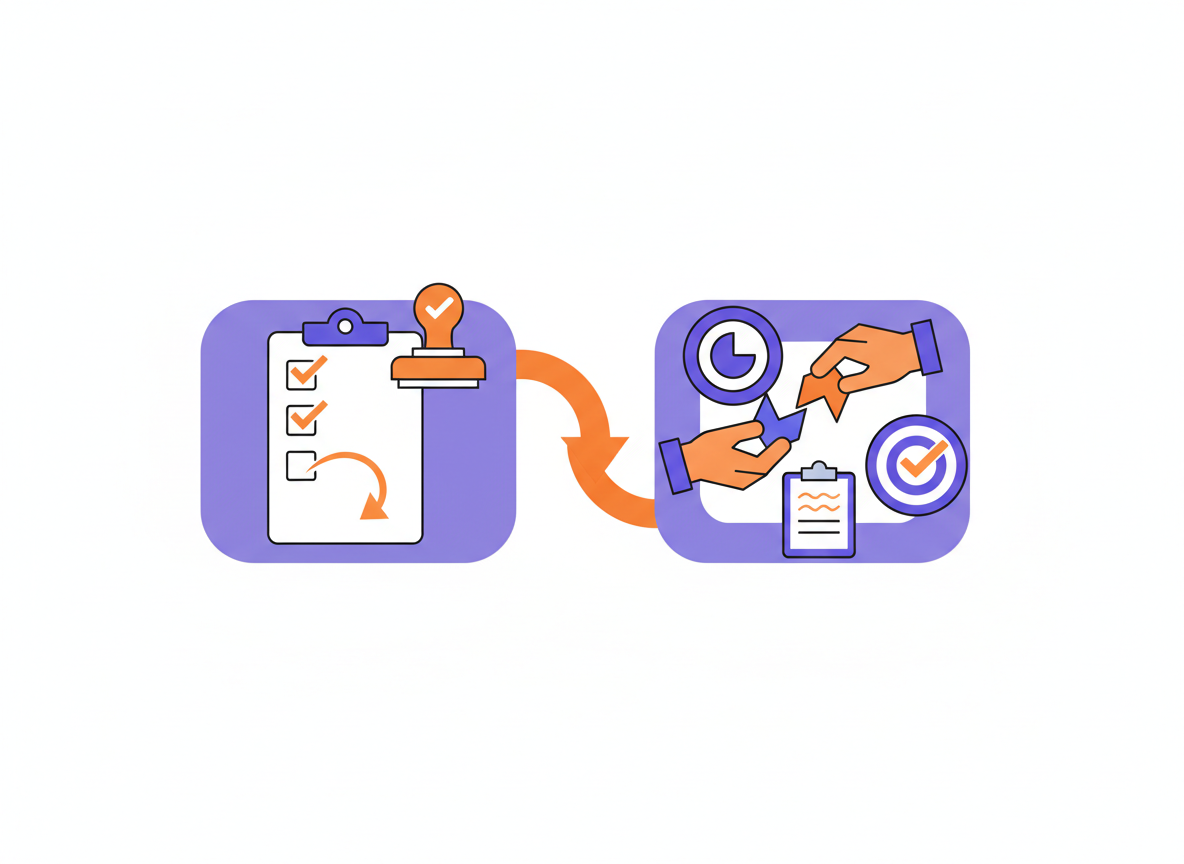


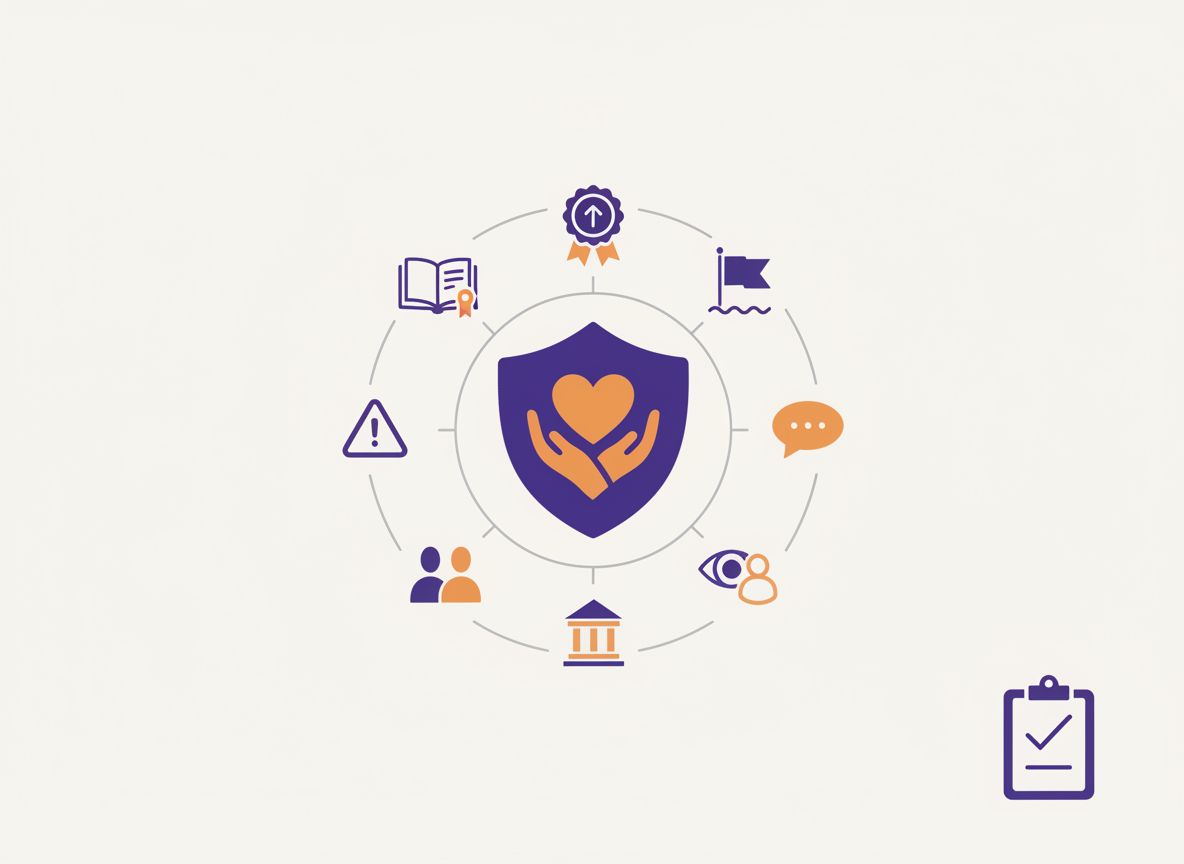






Registered Training Organisations (RTOs) are increasingly relying on AI-generated quizzes uploaded to a Learning Management System (LMS) – a quick AI prompt, a neatly generated quiz, and up it goes, job done. Except…it isn’t.
While AI-generated assessments can be comprehensive and substantively sound, simply uploading them to an LMS without thoughtful adaptation often results in poorly designed, generally non-compliant assessment tools.